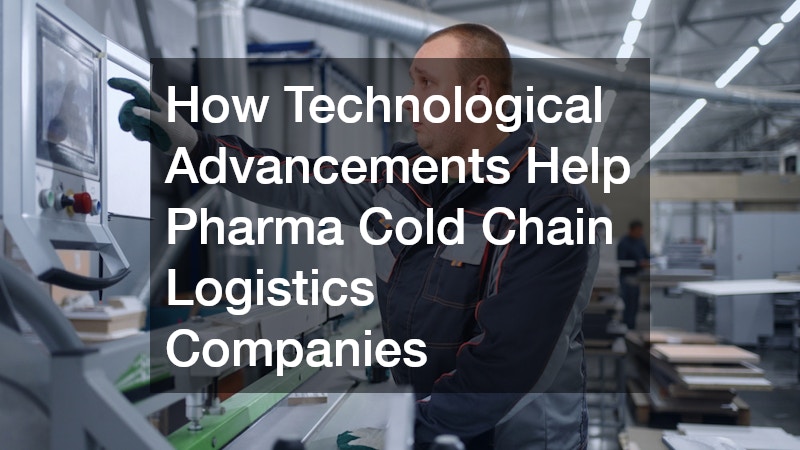
In the ever-evolving field of pharmaceutical logistics, technological advancements play a crucial role in ensuring the efficient and safe transport of temperature-sensitive products. Pharma cold chain logistics companies are leveraging new technologies to enhance their operations and meet the growing demands of the industry.
1. What are the key technologies impacting pharma cold chain logistics companies?
1.1. IoT and Sensor Technology
IoT devices and sensors have transformed the way temperature-sensitive pharmaceutical products are monitored during transit. By constantly capturing real-time data, these technologies facilitate immediate responses to any detected deviations.
Temperature fluctuations during transportation can compromise product integrity, making sensor technology essential for cold chain logistics. Through alerts and continuous monitoring, companies can maintain product quality and compliance.
Pharma cold chain logistics companies are increasingly investing in IoT technology to gain an edge in operational efficiency and reliability. This technological upgrade ensures that pharmaceutical products reach their destination safely and without quality degradation.
1.2. Blockchain for Supply Chain Transparency
Blockchain technology is being adopted to enhance supply chain transparency and traceability for pharmaceutical products. By providing an immutable and decentralized ledger, blockchain ensures that all chain participants have access to consistent and verified information.
The inclusion of blockchain in logistics allows for real-time visibility into product movements and handling conditions. This transparency instills greater confidence in the logistics process among stakeholders and regulatory bodies.
Beyond visibility, blockchain technology can also safeguard against counterfeiting, a critical issue in the pharmaceutical sector. By maintaining a secure and transparent record, companies can assure customers of product authenticity.
2. How do these advancements improve temperature control?
2.1. Real-time Monitoring Solutions
Real-time monitoring solutions have revolutionized temperature management by providing constant oversight of the cold chain environment. Such systems alert operators instantly to any condition changes that could jeopardize product safety.
Automated alerts and updated data logs help logistics companies take swift action to correct temperature aberrations. This capability is crucial in preserving product efficacy and regulatory compliance.
The widespread adoption of real-time monitoring has raised industry standards, requiring companies to be more agile and responsive. The technology fosters an environment of proactive management rather than reactive troubleshooting.
2.2. Data Analytics for Predictive Maintenance
Data analytics plays a vital role in predicting potential temperature deviations and guiding maintenance on essential equipment. Analyzing historical data enables companies to foresee mechanical failures before they occur.
This predictive approach allows logistics operators to perform maintenance tasks proactively, minimizing disruptions in the cold chain. Reducing downtime is especially important as it ensures that temperature-sensitive pharmaceuticals remain within specified conditions.
Ultimately, data analytics provides insights that extend beyond maintenance, guiding decision-making across various operational facets. By harnessing this technology, companies enhance their preventive mechanisms, ensuring the cold chain remains unbroken.
3. What are the benefits of automation in logistics?
3.1. Robotics in Warehousing and Transportation
The implementation of robotics in warehousing and transportation has significantly boosted logistics efficiency. Robotics technology automates repetitive tasks, reducing the likelihood of human error and increasing throughput.
From packaging to sorting, robots streamline operations and facilitate quicker processing times. This level of automation not only speeds up supply chain activities but also optimizes resource allocation.
As robots take on more complex logistical functions, cold chain companies can redirect human labor towards strategic, value-driven tasks. Such transformation optimizes overall productivity and operational excellence.
3.2. Automated Inventory Management
Automated inventory management systems have transformed how pharma cold chain logistics companies monitor and control stock levels. These systems leverage barcode scanning and RFID technology to maintain accuracy and efficiency.
By employing automation, companies minimize stock discrepancies and overstocking, avoiding unnecessary financial exposure. Precision in inventory management ensures that pharmaceutical supplies flow seamlessly to meet demand.
This automation not only drives efficiency but also enables better alignment with planning and forecasting. Enhanced inventory visibility supports strategic decisions, aligning supply with dynamic market requirements.
4. What challenges do companies face when implementing new technologies?
4.1. Integration with Existing Systems
The integration of new technologies often presents a substantial challenge due to compatibility issues with existing infrastructure. Transitioning to advanced systems requires meticulous planning to avoid operational disruptions.
Companies need to evaluate their current IT landscape and determine how new digital solutions can be cohesively implemented. Seamless integration is vital to maintain operational continuity and leverage full technological benefits.
Successfully integrating new tech into old systems not only elevates efficiency but also provides a competitive edge. Through integration foresight, companies can future-proof their operations against industry shifts.
4.2. Training and Skill Development
As technological advancements continue to evolve, there is an increasing need for training and skill development among employees. Mastery of new tools and systems is vital to harness the full potential of these advancements.
The shift to high-tech solutions requires a strategic commitment to employee development and continual learning. Cultivating a workforce adept in modern technology is essential for maintaining a competitive advantage.
Investment in training fosters a culture of growth and adaptability, encouraging employees to embrace change. With skilled personnel, companies can maximize the implementation of cutting-edge technologies efficiently.
5. How do these technological advancements affect sustainability in logistics?
5.1. Reducing Carbon Footprint
Modern technologies enable logistics companies to effectively reduce their carbon footprint, contributing to environmental sustainability. Optimized routing systems and energy-efficient equipment are central to achieving greener operations.
As more companies adopt technologies focused on sustainability, the logistics industry’s environmental impact is decreasing. These efforts align with global sustainability goals and regulatory compliance.
5.2. Sustainable Packaging Solutions
Sustainable packaging solutions are crucial in reducing the environmental impact of logistics operations in the cold chain. Innovations in packaging materials minimize waste and enhance the recyclability of transport containers.
By leveraging technology to design eco-friendly packaging, companies balance logistics needs with environmental stewardship. Sustainable packaging plays a pivotal role in advancing industry standards and consumer expectations.