
In today’s fast-paced business world, technology has become a critical component of workplace success. From remote work solutions to AI-driven productivity tools, companies are leveraging technology to improve collaboration, streamline operations, and enhance employee well-being. Workplaces are no longer just physical spaces, they are dynamic environments where digital systems, smart infrastructure, and innovative solutions shape daily operations.
Modern organizations face unique challenges in balancing efficiency, employee satisfaction, and legal compliance. A well-designed technological ecosystem can help address these challenges by providing secure communication channels, analytics-driven insights, and tools for employee development. Whether managing hybrid teams, safeguarding sensitive information, or promoting wellness initiatives, tech solutions are transforming how workplaces operate.
This article explores practical strategies and actionable tips for integrating technology into workplace environments. By examining best practices across infrastructure, wellness, legal, and operational areas, readers will gain insights into how to leverage tech effectively and sustainably.
Leveraging Smart Infrastructure for Efficiency
The foundation of a productive workplace lies in its infrastructure, both physical and digital. Modern offices increasingly rely on cloud computing, robust data storage solutions, and smart devices to support operational continuity and hybrid work models.
One critical element is the use of data center services. Organizations can benefit from centralized computing power to manage large-scale applications, host virtual desktops, and provide secure storage for sensitive corporate information. By outsourcing or partnering with reputable data centers, businesses can ensure their systems remain scalable, reliable, and resilient to disruptions.
Additionally, technology can optimize hybrid workspaces in residential settings. For employees living in high-end accommodations, smart home features and high-speed connectivity in luxury apartments can replicate office environments effectively. IoT-enabled lighting, climate control, and connectivity solutions allow employees to maintain productivity and comfort while working remotely.
Actionable Tips:
-
Implement cloud-based collaboration tools to centralize communication and file sharing.
-
Use IoT devices to monitor office energy usage and environmental conditions.
-
Partner with a data center provider to ensure redundancy and disaster recovery.
-
For hybrid teams, coordinate remote workspaces with smart home solutions in luxury apartments to maintain efficiency.
By combining advanced data infrastructure with adaptable physical spaces, organizations can create a seamless and productive environment for both on-site and remote employees.
Boosting Employee Wellness with Tech Tools
Employee well-being is a cornerstone of sustainable workplace environments. Mental health challenges, stress, and burnout can significantly impact productivity, making it essential to integrate technology that promotes wellness.
Digital tools designed for mental health support include mindfulness apps, stress-tracking software, and virtual counseling platforms. Organizations can offer subscriptions to mental health platforms that provide guided exercises, confidential check-ins, and anonymous feedback mechanisms. Tracking overall employee wellness through dashboards allows managers to identify trends and address issues proactively.
Technology also plays a role in specialized professional development programs. For instance, pharmacy technician programs increasingly incorporate digital learning modules and interactive simulations, enabling participants to practice skills in a safe virtual environment. Such programs enhance knowledge retention while reducing the pressure on instructors and staff.
Actionable Tips:
-
Offer mental health apps and virtual counseling services to employees.
-
Integrate wellness dashboards that track engagement, stress levels, and program participation.
-
Provide digital simulations and e-learning for specialized training programs, such as pharmacy technician programs.
-
Encourage managers to review wellness data and schedule interventions before stress becomes a crisis.
Investing in these tech-driven wellness solutions demonstrates a commitment to employees’ mental and professional well-being while supporting a healthy workplace culture.
Automating Administrative and Legal Workflows
Administrative and legal tasks often consume significant time and resources. Modern workplaces can leverage technology to streamline these processes, reduce errors, and enhance compliance.
Legal document management is one area that benefits greatly from automation. Platforms can securely store contracts, manage deadlines, and track revisions. For tasks requiring legal oversight, technology supports power of attorney lawyers in ensuring documents are executed correctly, and employment lawyers in monitoring labor compliance issues. Automated workflows minimize human error and reduce the time required for routine tasks.
Other administrative areas, such as HR onboarding, payroll processing, and benefits management, can also benefit from automation. Digital forms, e-signatures, and centralized employee portals create a frictionless experience while maintaining security and accountability.
Actionable Tips:
-
Use document management software to track legal contracts and corporate policies.
-
Implement automated reminders for deadlines and compliance tasks.
-
Integrate secure portals for employment lawyers and power of attorney lawyers to access critical documents.
-
Adopt workflow automation to streamline HR processes, including onboarding, performance reviews, and benefits management.
By automating administrative and legal workflows, companies free up valuable time for strategic initiatives while ensuring compliance and reducing risk.
Mitigating Legal Risks in Corporate Operations

Legal disputes and operational risks can have significant financial and reputational consequences. Leveraging technology helps organizations identify, monitor, and mitigate potential legal challenges.
For instance, AI-driven analytics can flag anomalies in contracts, financial transactions, or vendor relationships. This supports business litigation attorneys in preparing cases and enables auto dealer fraud lawyers to detect suspicious activity in automotive transactions. Technology helps identify potential liabilities before they escalate into costly disputes.
Companies can also use risk management software to maintain records of compliance activities, track regulatory changes, and generate reports for internal audits. By integrating analytics with legal expertise, organizations can respond more effectively to challenges.
Actionable Tips:
-
Employ AI analytics to identify irregularities in contracts or financial data.
-
Maintain a centralized repository of all legal documents for audit readiness.
-
Work closely with business litigation attorneys and auto dealer fraud lawyers to interpret findings.
-
Implement automated risk alerts for compliance, vendor relations, and operational activities.
Integrating these solutions into daily operations reduces the likelihood of disputes while improving organizational transparency and accountability.
Enhancing Security for Physical and Digital Assets
Protecting valuable assets is critical for modern businesses, and technology plays a pivotal role in safeguarding both physical and digital property.
For tangible assets like jewelry or high-value inventory, insurance companies increasingly rely on digital tracking systems. Jewelry insurance companies, for example, use secure databases, RFID tracking, and smart alarms to monitor items and reduce losses. Similarly, tech solutions can secure physical workplaces through access control systems, video monitoring, and IoT-enabled alerts.
Digital assets also require strong protection. Data center services offer encryption, redundant storage, and disaster recovery solutions to prevent data loss or unauthorized access. Combining physical and digital security measures ensures a comprehensive protection strategy.
Actionable Tips:
-
Implement IoT-based monitoring for high-value items or sensitive areas.
-
Partner with a jewelry insurance company to integrate digital asset tracking.
-
Use encrypted cloud storage and redundant data center services for critical information.
-
Conduct regular audits of both physical and digital security systems.
A layered approach to security ensures that businesses can protect essential resources, maintain operational continuity, and reduce financial risk.
Optimizing Event Planning and Workspace Logistics

Planning events and managing office logistics can be time-consuming, but technology offers solutions to simplify coordination and improve efficiency.
Software platforms can streamline venue finding by aggregating options, comparing costs, and offering real-time availability for corporate events, conferences, or team off-sites. This reduces administrative overhead and allows staff to focus on strategic planning rather than manual research.
For temporary employee housing or relocation, technology helps manage accommodations, including luxury apartments, ensuring a smooth transition and comfortable living environment. Integrated scheduling and booking tools can coordinate travel, lodging, and meeting spaces seamlessly.
Actionable Tips:
-
Use venue-finding platforms to identify and book event spaces efficiently.
-
Integrate accommodation management systems to handle temporary housing arrangements.
-
Employ scheduling software to coordinate meeting rooms, conference facilities, and travel logistics.
-
Leverage data analytics to evaluate past event performance and optimize future planning.
By optimizing logistics and event planning through technology, companies can reduce administrative burdens and improve overall employee satisfaction.
Supporting Continuous Learning and Workforce Development
Ongoing employee training is essential for keeping skills current, driving career growth, and maintaining a competitive advantage in rapidly evolving industries. Digital learning platforms provide scalable and flexible solutions that accommodate the needs of diverse workforces, allowing employees to access training anytime, anywhere. This flexibility is particularly valuable for organizations with hybrid or remote teams, where traditional in-person training may be impractical.
Specialized programs, such as pharmacy technician programs, can be delivered through a combination of e-learning modules, virtual simulations, and interactive courses. These methods allow employees to gain practical skills in a controlled environment, reduce the risk of mistakes, and maintain productivity during training. By simulating real-world scenarios digitally, staff can practice problem-solving and decision-making in a safe, measurable way.
Additionally, employment lawyers play an important role in ensuring compliance with labor laws and regulations as employees participate in training. This includes verifying that mandatory certifications, overtime rules, and workplace safety training meet legal requirements. Coordinating with legal experts ensures that the organization avoids penalties while fostering a fair and transparent learning environment.
Learning management systems (LMS) make it easy to track course participation, assess comprehension through quizzes and assignments, and provide certificates of completion. Advanced platforms even use analytics to identify knowledge gaps, recommend personalized learning paths, and predict which employees may need additional support.
Actionable Tips:
-
Implement e-learning and virtual simulations for professional development programs.
-
Use analytics to track course completion, skill mastery, and knowledge retention.
-
Coordinate with employment lawyers to ensure training complies with labor regulations.
-
Provide access to a variety of learning formats, including video tutorials, quizzes, and interactive exercises.
-
Offer microlearning modules for quick skill refreshers and ongoing reinforcement.
-
Encourage peer-to-peer learning through discussion forums and collaborative projects.
By integrating continuous learning into the workplace, organizations not only enhance employee engagement and skill development but also build a culture of growth, adaptability, and long-term productivity. This approach empowers employees to take ownership of their development while ensuring the organization remains agile in an ever-changing business landscape.
Data-Driven Decision Making for Workplace Design
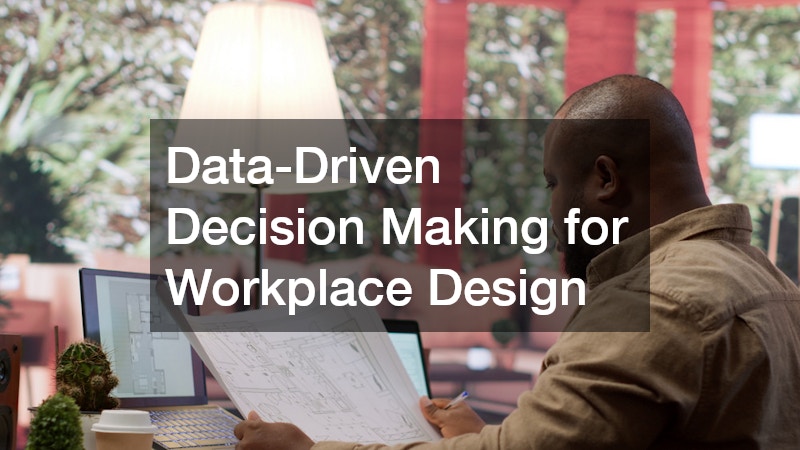
Modern workplaces can leverage technology to make informed decisions about office layout, resource allocation, and employee engagement. Sensors, IoT devices, and workplace analytics provide real-time insights into space utilization, workflow efficiency, and employee satisfaction. By collecting and analyzing data, organizations can identify patterns that may otherwise go unnoticed, such as bottlenecks in common areas, underutilized meeting rooms, or departments that require additional resources.
Data center services play a crucial role in processing these large datasets to inform decision-making. With centralized storage and high-performance computing, data from hundreds or even thousands of sensors can be aggregated, analyzed, and visualized in intuitive dashboards. For example, analytics can reveal underused areas of an office, track patterns in remote versus on-site work, or identify trends in employee behavior that impact productivity. Companies can then make evidence-based decisions, such as reallocating space for collaborative zones, introducing quiet work areas, or adjusting resource distribution across teams.
Beyond operational metrics, feedback tools can track mental health and well-being, ensuring that design decisions support employee satisfaction and productivity. Surveys, wellness apps, and anonymous reporting platforms allow organizations to integrate employee perspectives into workspace design, creating environments that promote engagement and reduce stress.
Actionable Tips:
-
Install IoT sensors to monitor space usage, occupancy, and workflow patterns.
-
Use analytics to optimize office layouts, meeting room scheduling, and remote work arrangements.
-
Collect anonymous feedback on mental health and well-being to guide workplace improvements.
-
Leverage data center services to securely store and process complex datasets.
-
Regularly review analytics to identify trends and make iterative adjustments to space and resource allocation.
By combining real-time data, employee feedback, and robust data processing, organizations can create workplaces that are not only functional and efficient but also adaptable, engaging, and supportive of employee mental health.
Integrating Security and Compliance in Tech Solutions
Ensuring compliance and data security is a core responsibility for any organization using technology. Platforms that monitor access, track document versions, and maintain audit logs are essential.
Technology can support power of attorney lawyers in verifying document authenticity and ensuring proper execution. Similarly, business litigation attorneys rely on digital records and compliance software to streamline case preparation and maintain accurate evidence. Automation reduces human error and enhances accountability across departments.
Actionable Tips:
-
Use compliance software to monitor document access and activity.
-
Implement encryption and secure storage for sensitive files.
-
Coordinate with power of attorney lawyers and business litigation attorneys to ensure regulatory adherence.
-
Schedule regular audits and reviews to maintain compliance and security.
By integrating robust compliance and security solutions, organizations protect their legal standing and foster trust among stakeholders.
Technology has become an indispensable tool for supporting modern workplace environments. From improving efficiency and enhancing employee wellness to ensuring security and legal compliance, tech solutions provide actionable ways to strengthen operations across industries.
Organizations that adopt a thoughtful, integrated approach to technology can optimize infrastructure, protect assets, promote continuous learning, and foster a positive work culture. By leveraging data, automation, and analytics, businesses create environments that are adaptable, productive, and resilient.
Investing in technology for workplace optimization is not just about staying competitive, it’s about building a sustainable ecosystem where employees, operations, and organizational goals thrive together.
