In today’s competitive manufacturing environment, companies are constantly searching for ways to improve quality, reduce costs, and increase efficiency. Welding, a core process in many industries, has seen major advancements through automation. One of the most transformative developments is the use of robotic systems. By adopting a robotic welding service, manufacturers can achieve higher levels of precision, consistency, and productivity than traditional manual welding methods allow. These benefits make robotic welding an increasingly attractive option for businesses of all sizes.
One of the most notable advantages of robotic welding is its exceptional consistency. Human welders, no matter how skilled, are subject to fatigue, variations in technique, and environmental factors that can affect weld quality. Robots, on the other hand, perform each weld with the same programmed accuracy every time. This repeatability ensures uniform welds across large production runs, which is especially critical in industries such as automotive, aerospace, and heavy equipment manufacturing, where quality standards are extremely strict.
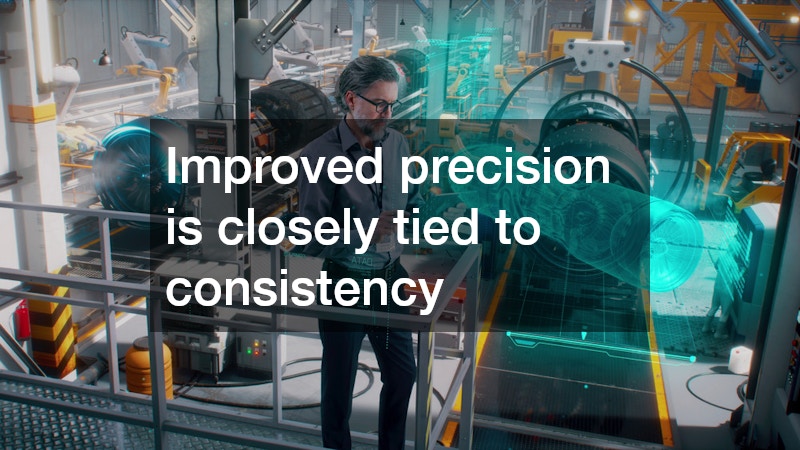
Improved precision is closely tied to consistency. Robotic welding systems can be programmed to follow exact paths, angles, and speeds that are difficult to maintain manually. This level of control results in cleaner welds, reduced spatter, and stronger joints. The precision of robotic systems also allows manufacturers to work with complex geometries and tight tolerances that would be challenging or time-consuming for human welders. Over time, this precision contributes to better-performing products and fewer failures in the field.
Another significant advantage is increased productivity. Robots can operate continuously without breaks, shifts, or downtime related to fatigue. They can work around the clock, dramatically increasing output compared to manual welding operations. Faster cycle times and the ability to handle repetitive tasks efficiently mean that production deadlines are easier to meet, even during periods of high demand. This increased throughput can provide companies with a competitive edge in markets where speed and reliability are essential.
Cost efficiency is also a major factor driving the adoption of robotic welding. While the initial investment in robotic equipment may seem high, the long-term savings often outweigh the upfront costs. Reduced labor expenses, lower scrap rates, and fewer rework requirements all contribute to a strong return on investment. Additionally, robotic systems use materials more efficiently, minimizing waste and optimizing the use of welding consumables such as wire and shielding gas.
Workplace safety is another area where robotic welding excels. Welding environments can expose workers to hazards such as intense heat, sparks, fumes, and ultraviolet radiation. By automating the welding process, companies can significantly reduce the risk of injury to their employees. Human workers can be reassigned to supervisory, programming, or quality control roles that are safer and often more intellectually engaging. This shift not only improves safety outcomes but can also enhance job satisfaction and skill development.
Flexibility and scalability further add to the appeal of robotic welding. Modern systems are highly adaptable and can be reprogrammed for different products or welding tasks with relative ease. This makes them suitable not only for high-volume production but also for low-to-medium volume runs that require frequent changeovers. As a business grows, additional robots or upgraded systems can be integrated to scale operations without completely overhauling existing processes. Many manufacturers choose a robotic welding service at this stage to access advanced technology without committing to full in-house automation immediately.
Quality control and data collection are additional benefits that should not be overlooked. Robotic welding systems can be integrated with sensors and monitoring software that track parameters such as heat input, weld speed, and arc stability. This data allows manufacturers to identify issues early, maintain consistent quality, and comply with industry regulations. The ability to document and analyze welding performance is increasingly valuable in industries that require traceability and strict compliance standards.
Robotic welding offers a wide range of advantages that extend far beyond simple automation. From improved consistency and precision to enhanced safety, productivity, and cost efficiency, the benefits are both practical and strategic. As technology continues to advance, robotic systems are becoming more accessible and versatile, making them a viable solution for many manufacturing operations. For companies looking to remain competitive and future-ready, investing in a robotic welding service can be a smart and forward-thinking decision that delivers long-term value.
Another often overlooked advantage is improved workforce utilization. Automation allows companies to deploy skilled welders where human judgment matters most, such as prototyping and inspection. This strategic use of talent reduces burnout, preserves institutional knowledge, and strengthens collaboration between engineers, technicians, and production teams across modern manufacturing environments worldwide today.
Robotic welding also supports sustainability initiatives. Precise control reduces energy consumption, material waste, and rework, lowering a facility’s environmental footprint. Consistent processes make it easier to adopt cleaner materials and meet regulatory requirements, helping manufacturers align operational efficiency with long-term environmental responsibility while improving brand reputation and stakeholder confidence globally.